

Rum’s reputation in the cocktail glass has often been tied to a particular kind of drink: colorful, generously garnished, and decidedly sweet. Tiki cocktails have a rich and influential history, and their exuberant flavors remain a pleasure. But they are only one part of rum’s story.
Today, more drinkers are exploring rum in cocktails that are crisp, bitter, stirred, or spirit-forward. The shift isn’t about abandoning tropical classics. It’s about making room for rum to show more of its character, and letting a well-chosen bottle take the lead.
Rum belongs in more than one kind of cocktail
Rum is not a single flavor profile. Depending on the style, it can bring clean, bright notes, grassy freshness, deep molasses character, or pronounced aromas of tropical fruit and spice. That range makes rum a natural fit for recipes beyond drinks built around fruit juice and layers of sweetness.
A helpful way to think about the change is not “less fun, more serious.” It is “more ways to enjoy it.” A rum cocktail can be refreshing without tasting like punch, contemplative without being heavy, or complex while still relying on just a few ingredients.
That broader perspective is part of what makes premium rum compelling. When the spirit has character of its own, a bartender, or a curious home mixer, can build around it rather than bury it under modifiers.
The Daiquiri: a simple test of balance
Few drinks make the case more clearly than the Daiquiri. Its classic combination of rum, fresh lime, and sugar is spare enough that every element matters. Too much sweetener can flatten the drink; too much lime can overwhelm the rum. When the balance is right, it is lively and refreshing, but the base spirit still comes through.
In a feature on the Daiquiri, PUNCH describes the drink as a balancing act and quotes bartenders who value a result that is “dry, crisp, lively.” The point is not to eliminate sweetness. It is to measure it carefully and give rum, citrus, and sugar room to work together.
For a straightforward starting point, try two ounces of rum, three-quarters of an ounce of fresh lime juice, and half an ounce of simple syrup. Shake well with ice and strain into a chilled glass. If your lime is especially tart or you prefer a rounder drink, adjust the syrup in small increments. The goal is a balanced cocktail, not limeade.
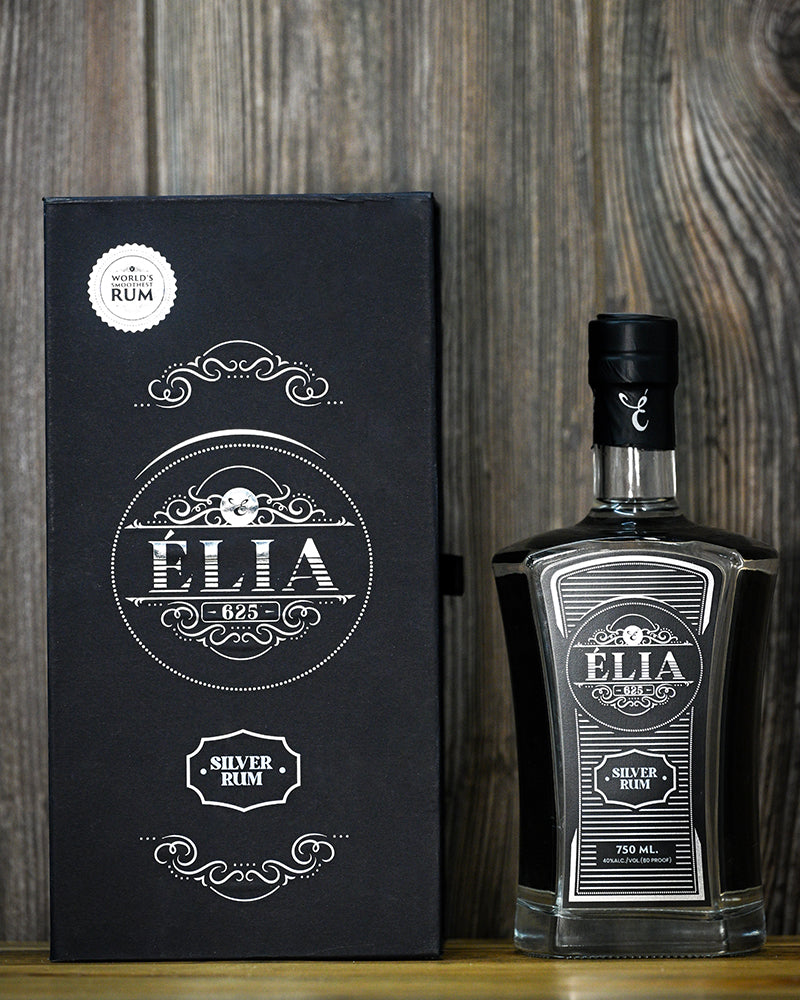
Élia625’s Silver Rum is one option to explore in a bright, citrus-led drink. The brand describes it as a Jamaican rum made from sustainably harvested sugarcane, with a smooth character and notes that can include sugar cane, dried fruit, molasses, vanilla, and smoke. Let your own palate guide the proportions.
A rum Old-Fashioned, with the spirit in front
The Old-Fashioned template (spirit, a measured touch of sweetener, and bitters) offers another route beyond the sweet tropical profile. Made with rum, it gives the spirit a familiar framework without asking it to imitate whiskey.
The important word is measured. A small amount of syrup can bring ingredients together, while bitters add structure and aromatic depth. A heavy hand with either can make the result cloying. Start with a rum you enjoy, add sweetener sparingly, stir with ice, and taste before adding more.
This style can be a useful introduction for guests who know the Old-Fashioned but have not explored rum in a stirred drink. In its discussion of the rum Old-Fashioned, PUNCH points to the format as a way to show that rum need not be mixed with fruit juice. The article also stresses that the additions should not obscure the base spirit.
Élia625 Gold Rum brings a different set of possibilities. Its product page describes oak aging and a profile that includes caramel, warm spices, toasted oak, vanilla, molasses, and tropical fruit. Those flavors can make it an inviting starting point for a stirred serve; keep the sweetener restrained so the rum remains the focus.

Bitter, aromatic, and unexpectedly versatile
For a drink with a more pronounced bitter edge, consider the Kingston Negroni. The recipe published by PUNCH uses equal parts Jamaican rum, Campari, and sweet vermouth, stirred with ice and served over a large cube with an orange-peel garnish. It brings rum into conversation with the bitter, herbal flavors of a familiar aperitivo cocktail.
It is a useful reminder that rum can do more than add sweetness or tropical flavor. In a stirred cocktail, the base spirit can contribute aroma, warmth, and depth. The right combination depends on the rum and the drinker’s taste, so this is an invitation to explore rather than a rule that every rum will work the same way.
If you prefer a softer introduction, make a smaller pour or begin with a lighter touch of the bitter component, then adjust to taste. Cocktail craft is as much about attention as it is about a recipe: taste, notice what’s present, and change one thing at a time.

How to mix without making the drink too sweet
Moving beyond sweet tiki staples does not require complicated equipment or a long list of specialty bottles. A few habits can make a noticeable difference:
- Measure your sweetener. Start with less than you think you need; you can always add a little more.
- Use fresh citrus. Fresh lime brings brightness that bottled juice may not provide.
- Choose contrast. Bitters, vermouth, or a bitter aperitivo can add definition alongside rum’s richer notes.
- Give dilution time to work. Shake or stir with ice as the recipe calls for; proper chilling and dilution help ingredients come together.
- Keep the garnish considered. A citrus peel can add aroma without turning the drink into a display.
These choices are not a rejection of elaborate cocktails. They simply make the spirit’s role easier to appreciate.
A more expansive rum menu
A thoughtful rum menu can move between styles rather than depend on a single signature drink. Offer a Daiquiri for a bright, citrus-forward option; a rum Old-Fashioned for something stirred and spirit-led; and a Kingston Negroni for guests who enjoy bitter flavors. If serving a group, ask how people like their drinks and keep the menu flexible.
For an at-home tasting, try the same cocktail structure with different rums. Pay attention to what changes: the aroma, the finish, the way citrus or bitters meet the spirit. A good comparison is less about declaring a winner than learning which profile you enjoy.
Élia625’s Gold Rum and Silver Rum offer two places to begin exploring. Visit the Élia625 Gallery for a closer look at the bottles, and learn more about the brand’s approach on the About page.
The revolution is in the range
Rum does not need to leave its tropical roots behind to earn a place in drier, more spirit-forward cocktails. The appeal is its range: bright or rich, crisp or warmly layered, at home in a simple sour or a slow-stirred drink.
The next time you reach for rum, consider starting with the spirit itself. Add only what helps reveal it. You may discover that the most memorable cocktail is not the sweetest one, but the one where every element has a reason to be there.
Enjoy responsibly. Savor in moderation and only if you are of legal drinking age.